

 See My Latest Article on HelloNation
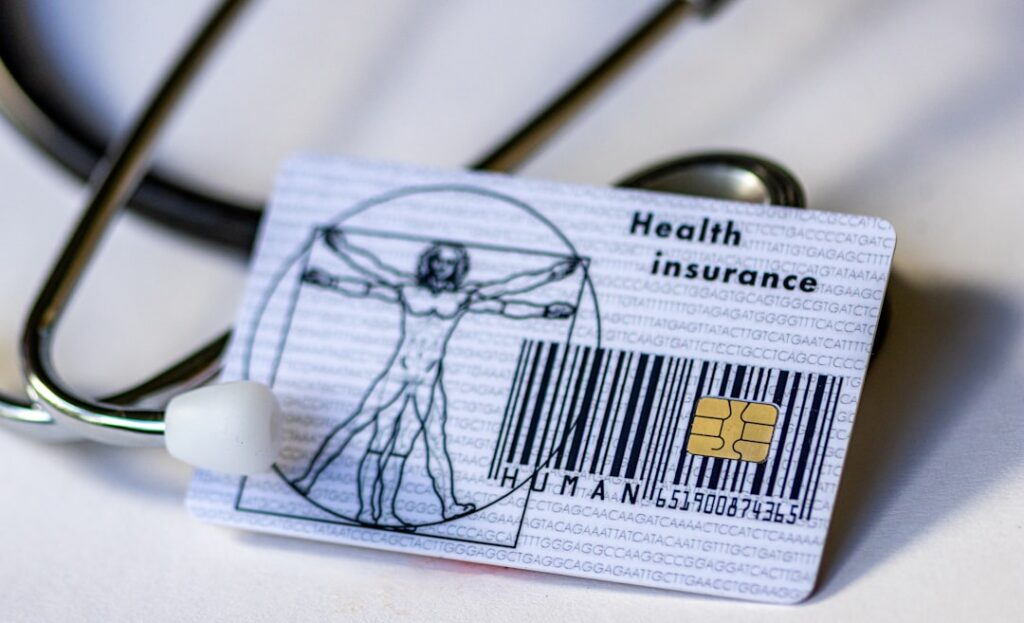
What Is a Health Savings Account and How Does It Work?
A Health Savings Account (HSA) is a special savings account available to people with high-deductible health plans. It lets individuals and families set aside money tax-free to pay for qualifying medical expenses. For many residents in Greenville, SC, HSAs are a way to make healthcare costs easier to manage and more predictable throughout the year.
With an HSA, the money deposited is not taxed, grows tax-free, and can be withdrawn tax-free for qualified health expenses. Funds never expire and carry over year to year, which makes careful management worthwhile—especially for those planning for future healthcare needs.
Who Is Eligible to Open and Use a Health Savings Account?
Anyone enrolled in a high-deductible health plan—defined each year by the IRS—can open and contribute to an HSA. Local residents covered under qualifying family or individual plans are all eligible. However, you can’t have other non-HDHP health coverage, be enrolled in Medicare, or be claimed as a dependent by someone else.
Checking with your health plan during open enrollment or reviewing plan documents will clarify your eligibility. Many employers in Greenville include HSA options as part of their benefit packages.
What Expenses Can HSA Funds Be Used For?
HSA funds can pay for a wide range of medical, dental, vision, and prescription costs for the account holder, their spouse, and dependents. Accepted expenses include:
- Doctor visits, hospital stays, and surgeries
- Prescription medications
- Dental treatments (fillings, cleanings, orthodontics)
- Eye exams, glasses, and contact lenses
- Mental health services
- Certain over-the-counter medications and medical equipment
It’s important to keep receipts and documentation for any purchase, since non-qualified withdrawals are subject to taxes and penalties. Incorrect use is a common misconception—some use HSAs for non-medical costs, which leads to surprise tax bills.
How Can Greenville Residents Contribute Strategically to Their HSA?
Contributions to an HSA are limited annually and can be made by individuals, employers, or both. Making regular contributions throughout the year often makes expenses easier to manage, though lump sum deposits are allowed.
Many find it helpful to:
- Estimate typical out-of-pocket healthcare costs based on family health needs and past spending patterns
- Plan for extra costs during seasons prone to allergies, flu, or sports injuries, which are common around the city
- Consider unexpected costs, like emergency room visits or urgent care after minor accidents at area recreational sites
Maximizing annual contributions (as income allows) helps build a financial buffer for health, especially for those approaching retirement.
What Are the Local Advantages of Using an HSA for Healthcare Expenses?
In an area like Greenville, where families might face a mix of everyday healthcare and specialized services, an HSA can help residents take control of their budgets. HSAs offer:
- Flexibility: Unused balances roll over, so savings can pay for larger or future expenses—like planned surgeries or recurring treatments.
- Portability: If you change jobs or move within the region, your account stays with you.
- Tax Savings: You get tax advantages at three stages—contributions, growth, and withdrawals (for eligible expenses).
- Investment Options: Many HSA accounts allow investment in mutual funds or similar options, offering the potential to grow savings for longer-term needs.
Local residents who plan for medical events in advance—like summer camp physicals, seasonal allergy management, or routine check-ups—can use their HSA for prompt payment and avoid financial surprises.
What Happens to HSA Funds Not Spent Each Year?
Any money left in an HSA at the end of the year remains in the account, rolling over indefinitely. There’s no “use it or lose it” rule, unlike with some flexible spending accounts. This makes HSAs especially useful for savings-minded residents who want to prepare for higher future medical costs, chronic health conditions, or retirement healthcare.

For example, someone who sets aside extra funds during relatively healthy years can save toward more expensive treatments or long-term vision and dental needs later in life.
What Are Common Misunderstandings About Health Savings Accounts?
A few misconceptions sometimes prevent residents from using HSAs effectively:
- Believing you lose funds if not spent within the year
- Assuming all health plans qualify for HSA use
- Thinking you can’t withdraw funds unless you have a large balance
- Using the account for non-medical expenses, risking taxes and penalties
Knowing these pitfalls helps avoid mistakes, improves financial outcomes, and ensures the account serves its intended purpose.
How Can Area Households Track and Manage Their HSA?
Many financial institutions and employer benefits platforms offer online dashboards for tracking contributions, spending, and remaining balances. Here are some practical habits for local users:
- Review account balances monthly, especially after large medical bills
- Store receipts for all medical expenses paid with HSA funds in one place (digital or physical)
- Double-check eligible expenses using the IRS publication or HSA provider resources
- Plan medical appointments with HSA-eligible costs in mind for efficient use
These simple steps can help avoid surprises at tax time and maximize the benefit over time.
What Happens to Your HSA If You Switch or Lose Insurance?
If you change health insurance plans and are no longer enrolled in a high-deductible health plan, you may not make new contributions, but you can still spend the existing balance on eligible expenses. In the event you become eligible for Medicare or are no longer covered by an HSA-qualified health plan after a job change in the city, your account remains available for withdrawals and management, without additional tax benefits on new deposits.
Can HSAs Help Prepare for Retirement Medical Needs?
For many individuals and couples in Greenville preparing for retirement, an HSA can serve as a long-term healthcare nest egg. After age 65, funds can be used for non-medical expenses without penalty (though still subject to income tax), or continued for medical costs tax-free. Vision and dental expenses for seniors, often not fully covered by Medicare, can also be paid using HSA savings.
Given the increasing costs of healthcare in retirement, using an HSA alongside other savings strategies gives area retirees extra options and greater peace of mind.